Killer Robots Are Coming? Eric Trump-Backed Startup Wants Humanoid Soldiers On Future Battlefields
Killer Robots Are Coming? Eric Trump-Backed Startup Wants Humanoid Soldiers On Future Battlefields Written By, Last Updated: July 18, 2026, 22:35 IST The company successfully
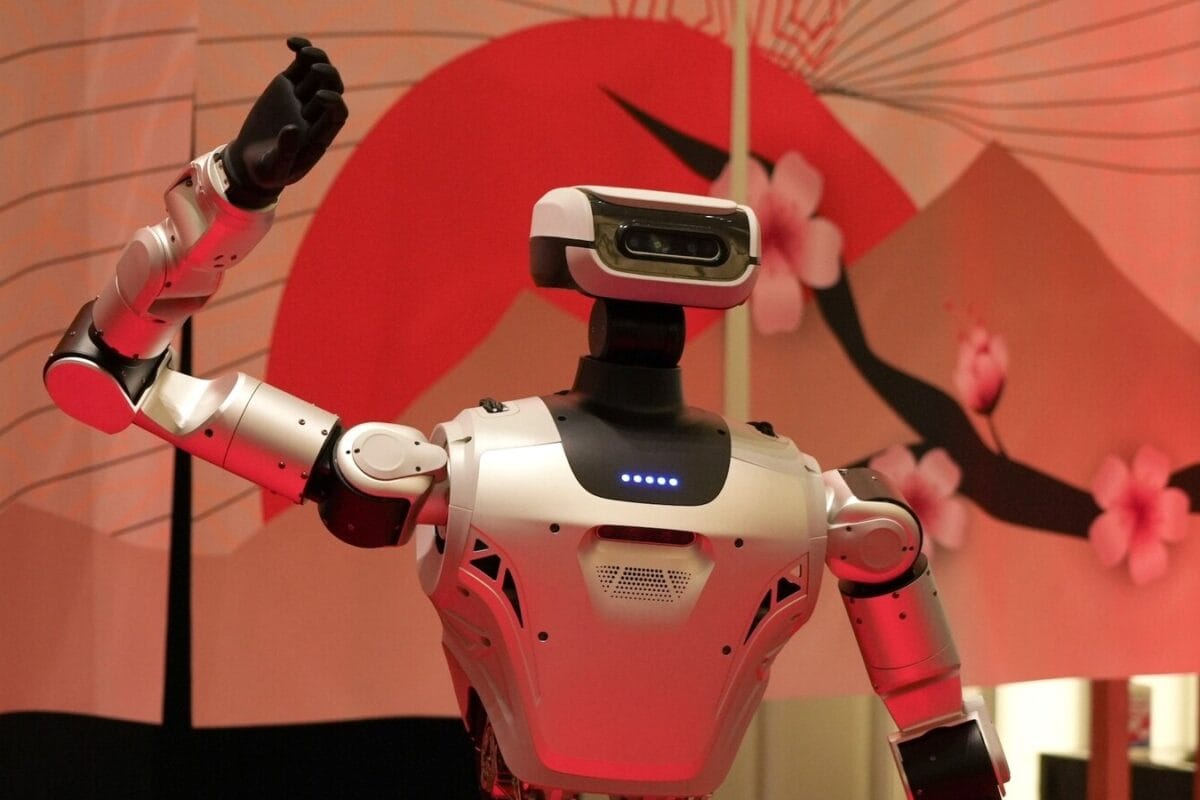
Killer Robots Are Coming? Eric Trump-Backed Startup Wants Humanoid Soldiers On Future Battlefields Written By, Last Updated: July 18, 2026, 22:35 IST The company successfully deployed two units of its flagship humanoid robot, the Phantom MK-1, to Ukraine for live operational testing alongside government officials According to FFI's CEO, Sankaet Pathak, the target timeline is to place these humanoid units onto active US front lines within the next 12 to 18 months. Representational pic/AP In a profound escalation of the global autonomous weapons race, the San Francisco-based robotics startup Foundation Future Industries (FFI) has openly targeted the front lines of international combat theatres. Backed heavily by the US President’s son, Eric Trump—who serves as the company’s investor and Chief Strategy Adviser—FFI has broken away from the tech industry’s standard non-weaponisation pledges. The company has confirmed plans to actively equip its fleet of bipedal humanoid robots with lethal capabilities, directly altering the future landscape of modern warfare. While established Silicon Valley robotics players have historically distanced themselves from kinetic applications, FFI is aggressively leaning into the military sector. The initiative aims to deliver fully operational autonomous infantry units to the United States military and its allies, pitching the technology as a vital tool to maintain strategic superiority over foreign adversaries. Combat Deployment: The Phantom in Ukraine Far from being a mere laboratory concept, FFI’s primary hardware has already seen active service in real-world conflict zones.
The company successfully deployed two units of its flagship humanoid robot, the Phantom MK-1, to Ukraine for live operational testing alongside government officials. Logistical Utility: During these hazardous pilot trials, the bipedal systems were tasked with navigating contested zones to execute supply pickups and transport equipment, effectively sparing human soldiers from incoming crossfire. Hardware Limitations: The initial MK-1 trials exposed critical vulnerabilities, notably a modest payload capacity of roughly 20 kilograms, a lack of comprehensive waterproofing, and constrained battery lifespans. The Next Generation: To counter these limitations, FFI is preparing to ship the ruggedised Phantom 2 to the Ukrainian front line, featuring enhanced dustproofing, complete weather resistance, and double the payload capacity. The Technology: Inside the Phantom MK-1 The engineering blueprint of the Phantom series relies on replicating human anatomy to master environments explicitly built for human movement, such as narrow stairwells, trenches, and urban ruins. Built by hand in a San Francisco warehouse, the machines utilise titanium bone structures and intricate tendon-driven hands controlled from the forearm. Phantom MK-1 Core Specifications Height: 5 feet 11 inches (1.8m) Weight: 176 lbs (80kg) Degrees of Freedom: 29 joints Actuators: Proprietary electric cycloid systems (160Nm peak torque) By substituting traditional, noisy hydraulic systems with high-torque electric cycloid drives, the Phantom operates with near-silent efficiency. This mechanical design provides the raw physical durability required to withstand immense blunt forces while maintaining the agility needed to toggle through complex physical environments.
 The BriefWire