Imran Khan's Sister Says Pakistan Army 'Hiding Defeat', Links Crisis To India's Operation Sindoor | Exclusive Details
Imran Khan's Sister Says Pakistan Army 'Hiding Defeat', Links Crisis To India's Operation Sindoor | Exclusive Details Reported By, Last Updated: July 18, 2026, 20:50
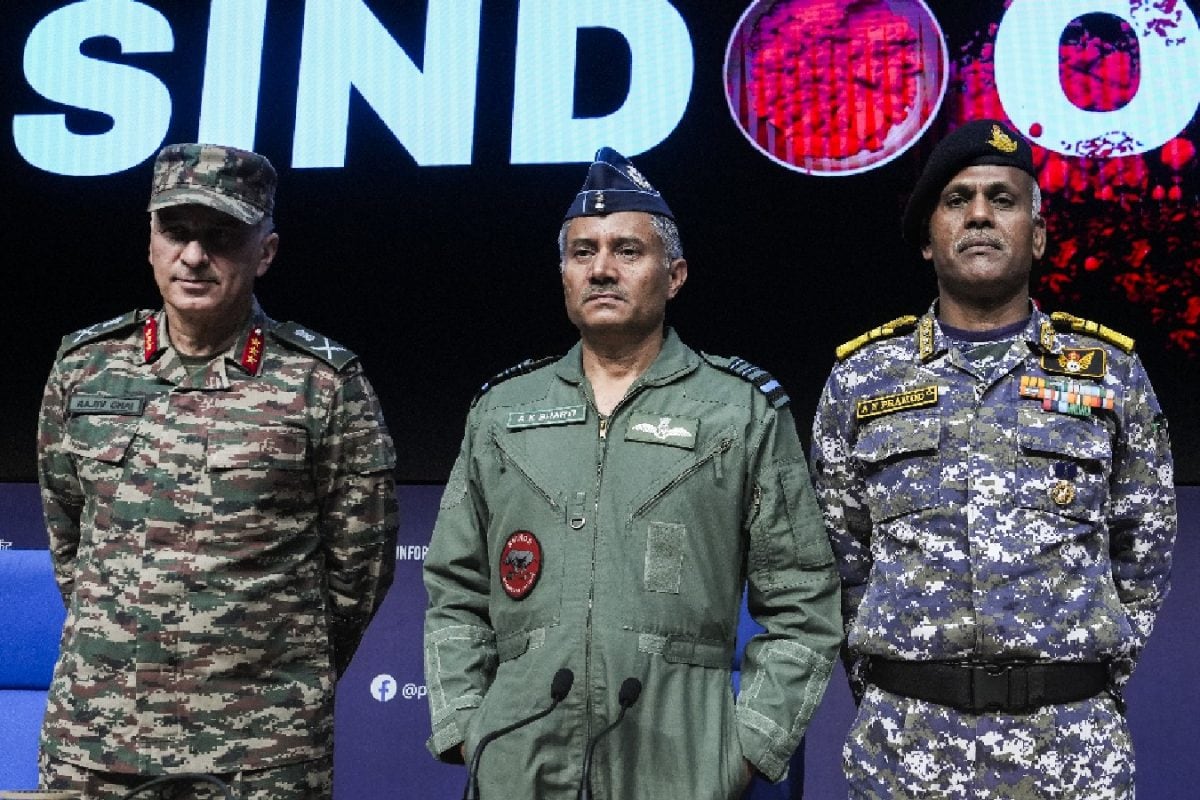
Imran Khan's Sister Says Pakistan Army 'Hiding Defeat', Links Crisis To India's Operation Sindoor | Exclusive Details Reported By, Last Updated: July 18, 2026, 20:50 IST Noreen Niazi openly stated that the Pakistan Army lacks the conventional capacity to defeat India’s armed forces According to top intelligence analysts, these frantic political statements inside Islamabad serve as implicit validation of the sweeping success of Operation Sindoor. (File image) In an explosive political development, Noreen Niazi, the sister of jailed former Pakistani Prime Minister and Pakistan Tehreek-e-Insaf (PTI) founder Imran Khan, has triggered widespread outrage by accusing the country’s top military brass of fabricating operational narratives to conceal a severe strategic defeat. Making startling geopolitical correlations, Niazi claimed that the internal state panic is directly tied to the overwhelming success of India’s Operation Sindoor. She alleged that the military command structure is relying on a covert Indo-Israel strategic axis and direct international intervention to shield itself from its own systemic battlefield failures. Operation Sindoor: The 88-Hour Strategic Restructure According to top intelligence analysts, these frantic political statements inside Islamabad serve as implicit validation of the sweeping success of Operation Sindoor. Initiated by New Delhi as a series of high-impact, standalone missile strikes combined with rapid electronic warfare, the cross-border campaign established total air superiority over primary conflict sectors within a mere 88 hours.
The targeted precision strikes effectively blindsided Pakistan’s defence networks, forcing Rawalpindi into a desperate, reactive posture. The speed and depth of the operation achieved its core strategic deterrence objectives, shattering the traditional military equilibrium and proving that the Indian military structure holds overwhelming escalatory dominance over its western neighbour. Secret Collusion and the Trump Rescue Narrative Niazi’s claims suggest that the panic inside the Pakistani military headquarters has led to desperate diplomatic maneouvres. She alleged that the military engagement—which she termed Maarka-e-Haq—was shielded from further devastation only because US President Donald Trump intervened personally to provide a face-saving exit for the Pakistani establishment. According to these claims, Washington’s conditional rescue came with steep geopolitical costs. Niazi asserted that Pakistan’s military ruler, General Asim Munir, made binding commitments to President Trump to formally join the Abraham Accords and officially recognise the State of Israel in exchange for diplomatic protection. The disclosure further implies that New Delhi purposefully moderated its kinetic momentum at the behest of international partners to facilitate this broader West Asian realignment, a trajectory that was only temporarily delayed due to regional escalation involving Iran. The Four-Fold Disparity: Admitting Military Deficit Beyond the diplomatic conspiracies, the rhetoric coming out of the political opposition highlights an unvarnished recognition of shifting power balances in South Asia.
 The BriefWire