A 600-mile road trip (and data) proves EV charging doesn’t suck anymore
In the minds of prospective EV buyers, charging looms large. Just over half of those surveyed by AAA last year said that public charging infrastructure
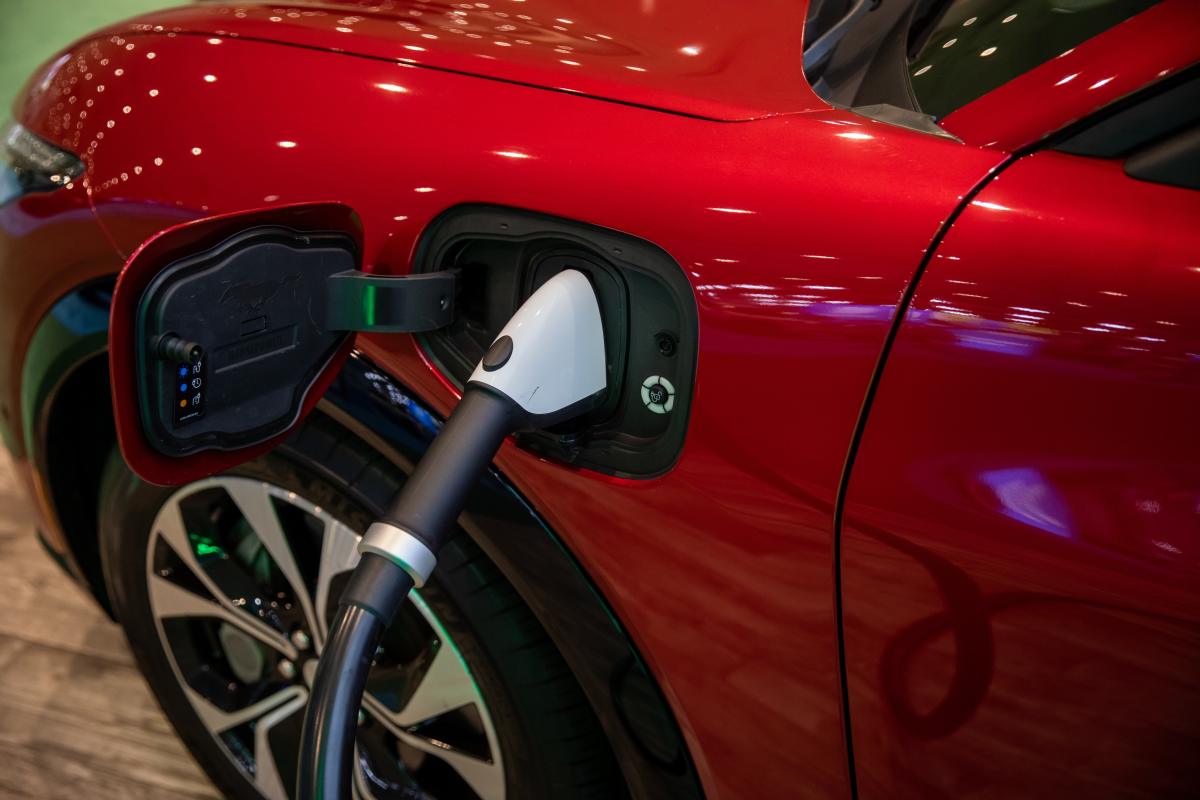
In the minds of prospective EV buyers, charging looms large. Just over half of those surveyed by AAA last year said that public charging infrastructure was a key concern. Those concerns aren’t unfounded. EV fast charging has historically been lackluster. In 2023, after a disastrous road trip, I drafted an EV fast-charging “bill of rights,” outlining seven improvements charging networks needed to make to turn things around. What a difference a few years can make. During a recent road trip, I was surprised by how much the situation has improved. With one small exception, my charging experience was flawless, something I couldn’t say about a similar road trip three years ago. A nearly flawless experience This summer’s road trip to Montreal covered more than 600 miles. We had intended to use our Kia EV9, which will can travel nearly 300 miles on a charge, but the Kia is in the shop because of broken air conditioner. Instead, we drove our Audi e-tron, which has a range of about 220 miles per charge. Despite the disparity, the e-tron handled the trip with aplomb. Rangemaxxing might sound nice, but it isn’t necessary. To find chargers, I used A Better Route Planner (ABRP), an app optimizes charging stops by accounting for everything from prevailing winds and temperature to vehicle specs and battery degradation. You can use a Bluetooth OBD reader to feed live data from the car to ABRP, but I found the app to be pretty accurate without one.
ABRP said our first stop should be a Rivian charger near Lebanon, New Hampshire. The app is now owned by Rivian, so I wasn’t entirely surprised. After my experience at the Lebanon chargers, I can see why the app chose them, regardless of Rivian’s ownership. There were no lines, plenty of food options, a grocery store, and six 300-kilowatt chargers that were all working. I had downloaded the Rivian app in advance, but I needn’t have. The charger accepted my credit card and delivered more than 140 kilowatts, roughly the e-tron’s max. We used the same chargers on the way home and had a similar experience. After that, we used a Circuit Électrique station just outside Montreal to top up for the week ahead. There, we experienced the trip’s only hitch: The card reader didn’t work, so I had to download Circuit Électrique’s app and load it with 20 Canadian dollars. After that, the session went smoothly. In retrospect, the stop wasn’t entirely necessary. We didn’t drive much during the week, and the hotel charger worked perfectly. But the kids needed a break and my wife needed a coffee, so we probably would have plugged in regardless. Each session lasted about 20 minutes, and we combined charging with lunch or rest stops. We never once waited on the car. Altogether, the three sessions took about as long as our wait at border control on the way back into the United States.
 The BriefWire