Asatya, Hinsa Modi govt's core tenets: Rahul Gandhi on Sonam Wangchuk's removal
Congress leader Rahul Gandhi on Saturday slammed the removal of climate activist Sonam Wangchuk from Delhi's Jantar Mantar, where he had been on a hunger
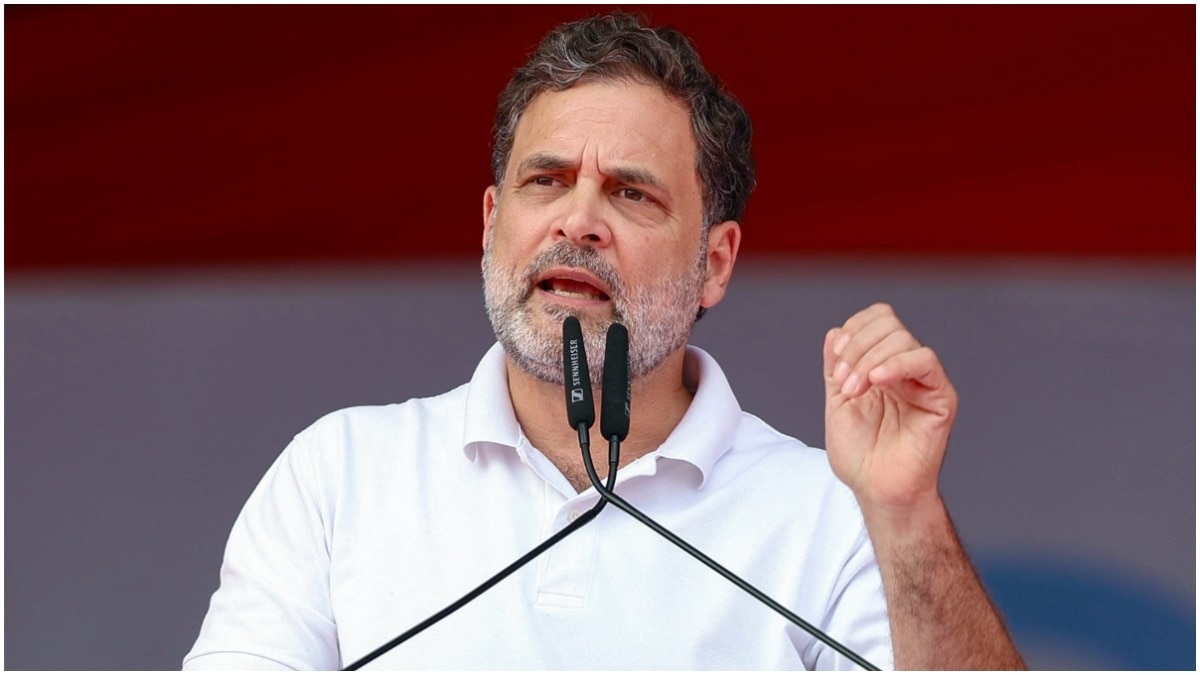
Congress leader Rahul Gandhi on Saturday slammed the removal of climate activist Sonam Wangchuk from Delhi's Jantar Mantar, where he had been on a hunger strike, and accused the Centre of attempting to suppress voices highlighting issues affecting students across the country. In a post on X, the Leader of Opposition in the Lok Sabha said the "core tenets" of the Narendra Modi government were "Asatya" (falsehood) and "Hinsa" (violence). "The removal of Sonam Wangchuk ji from Jantar Mantar while he was on a non-violent hunger strike is wrong," Gandhi said. Read Full Story Wangchuk has been on a fast since June 28 in support of the Cockroach Janta Party (CJP)-led movement over alleged irregularities in the NEET examination and the reported deaths of students linked to the controversy.
Protest organisers have said the July 20 march to Parliament will go ahead as scheduled. Delhi Police moved Wangchuk to the hospital early on Saturday, citing expert medical advice and directions of the Delhi High Court. Linking Wangchuk's protest to wider concerns over the education system, Gandhi said paper leaks, the rising cost of education and student suicides were among the most pressing challenges facing India's future. "No amount of force can deter India's students, and those of us who love and believe in them, from raising these issues," he said, using the hashtag #ChhatronKiGoonj. His remarks came a day after Gandhi addressed the 'Chhatron Ki Goonj' rally in Dehradun, where he demanded sweeping reforms to India's education and examination system.
He had argued that no political party or organisation should control educational institutions and called for a broad political consensus to tackle recurring paper leaks. At the rally, Gandhi alleged that nearly 7.5 crore students had been affected by examination paper leaks, claiming the problem stemmed from a "corrupt system" involving multiple stakeholders, including coaching centres, examination centres, paper setters, transporters, the Testing Agency (NTA) and the Union education ministry. He also advocated overhauling the country's examination system, describing the existing model as outdated and excessively focused on testing rather than students. According to Gandhi, the current examiner-centric and government-centric approach should be replaced with a student-centric framework featuring secure question banks and technology-enabled randomised question papers, similar to international standardised tests such as the GMAT.
 The BriefWire