Is Calling Someone 'Motherf**ker’, ‘Son Of A Wh*re’ Obscene? Here’s What Supreme Court Says
Is Calling Someone 'Motherf**ker’, ‘Son Of A Wh*re’ Obscene? Here’s What Supreme Court Says Published By, Last Updated: July 18, 2026, 15:02 IST While examining
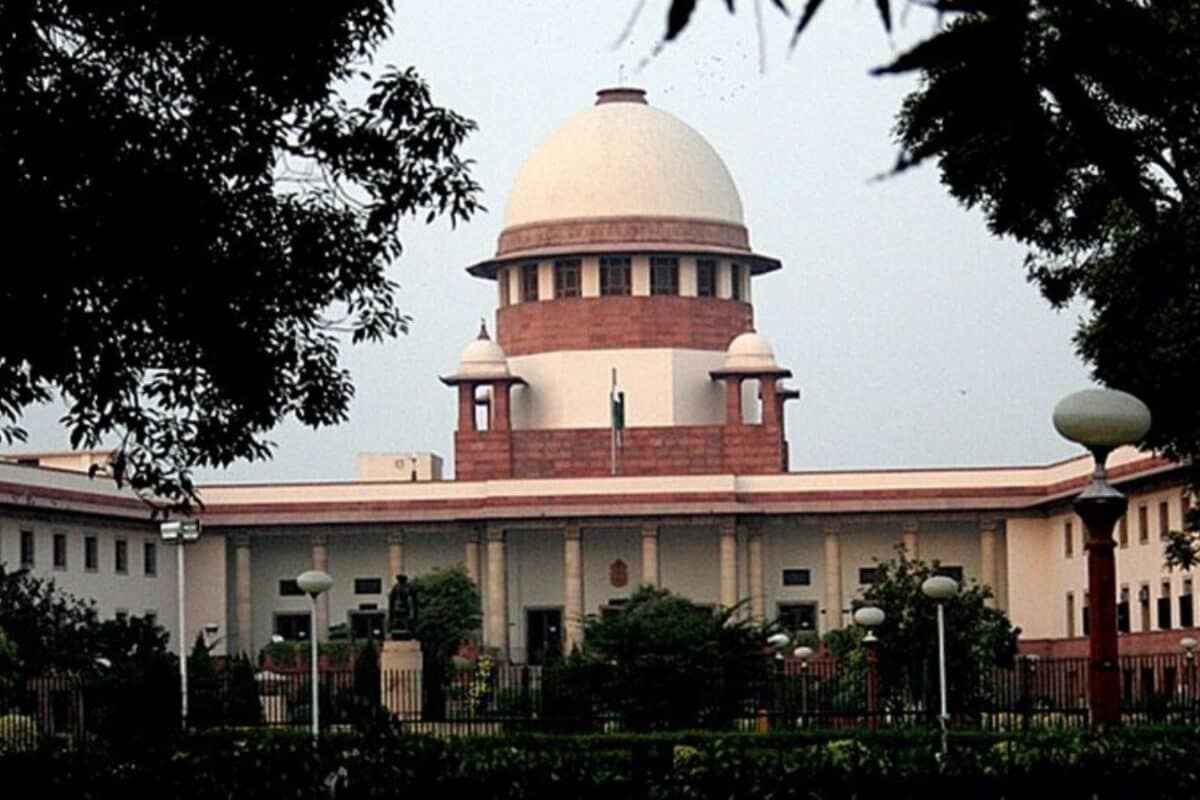
Is Calling Someone 'Motherf**ker’, ‘Son Of A Wh*re’ Obscene? Here’s What Supreme Court Says Published By, Last Updated: July 18, 2026, 15:02 IST While examining the obscenity charge, the Bench said Section 294(b) of the IPC requires more than offensive or unpleasant language. Rapid Read File Photo of Supreme Court The Supreme Court has ruled that abusive language, vulgar expletives or profanities, however offensive or uncivil, cannot automatically be treated as obscenity under criminal law unless they meet the legal threshold of being lascivious, appealing to prurient interests and having the tendency to deprave or corrupt those exposed to them. A Bench of Justices Sanjay Karol and Vipul M Pancholi observed while partly allowing an appeal filed by Mani, a man convicted for obscenity over the use of words such as “motherf**ker" and “son of a wh**re" during a quarrel over a land dispute, Bar and Bench reported. “Let’s be clear, legally, obscenity is not synonymous with ‘vulgarity’, ‘abuse’ or ‘profanity’. Use of mere swear words, profanities and vulgar expletives, however distasteful or uncivil they may be, cannot be equated with obscenity…Words which are merely vulgar or abusive may evoke a feeling of disgust, revulsion or shock, but that by itself does not make them obscene in law," the Court noted. The Court, however, upheld Mani’s conviction for voluntarily causing grievous hurt after finding that he had fractured the complainant’s nasal bone with a billhook.
It reduced his sentence to imprisonment till the rising of the court and imposed a fine of Rs 50,000. The case originated from an agricultural land dispute in Tamil Nadu in August 2017. According to the prosecution, an argument first broke out between Mani and the complainant’s brother-in-law over the land issue. Two days later, Mani allegedly had another confrontation with the complainant’s nephew over the same dispute. When the complainant intervened, Mani allegedly abused him using vulgar expletives and caste-based slurs before bringing a billhook from his house and attacking him. The complainant suffered injuries to his forehead, nose and thumb, while a CT scan later confirmed a fracture in his nasal bone. A trial court had convicted Mani under Sections 294(b) (obscenity), 326 (grievous hurt) and 506(ii) (criminal intimidation) of the Indian Penal Code, along with provisions of the Scheduled Castes and Scheduled Tribes (Prevention of Atrocities) Act. The Madras High Court later acquitted him of the SC/ST Act charges but maintained his IPC convictions. The matter then reached the Supreme Court. While examining the obscenity charge, the Bench said Section 294(b) of the IPC requires more than offensive or unpleasant language. The Court said the words must be lascivious, appeal to prurient interests, tend to deprave and corrupt those exposed to them, and must also cause annoyance to others. Applying this test, the Court held that the words allegedly used by Mani, even if accepted as true, were abusive and vulgar but did not amount to obscenity.
 The BriefWire