HIV outbreak in Pakistan: How deadly safety lapses at Sindh hospital put children at risk
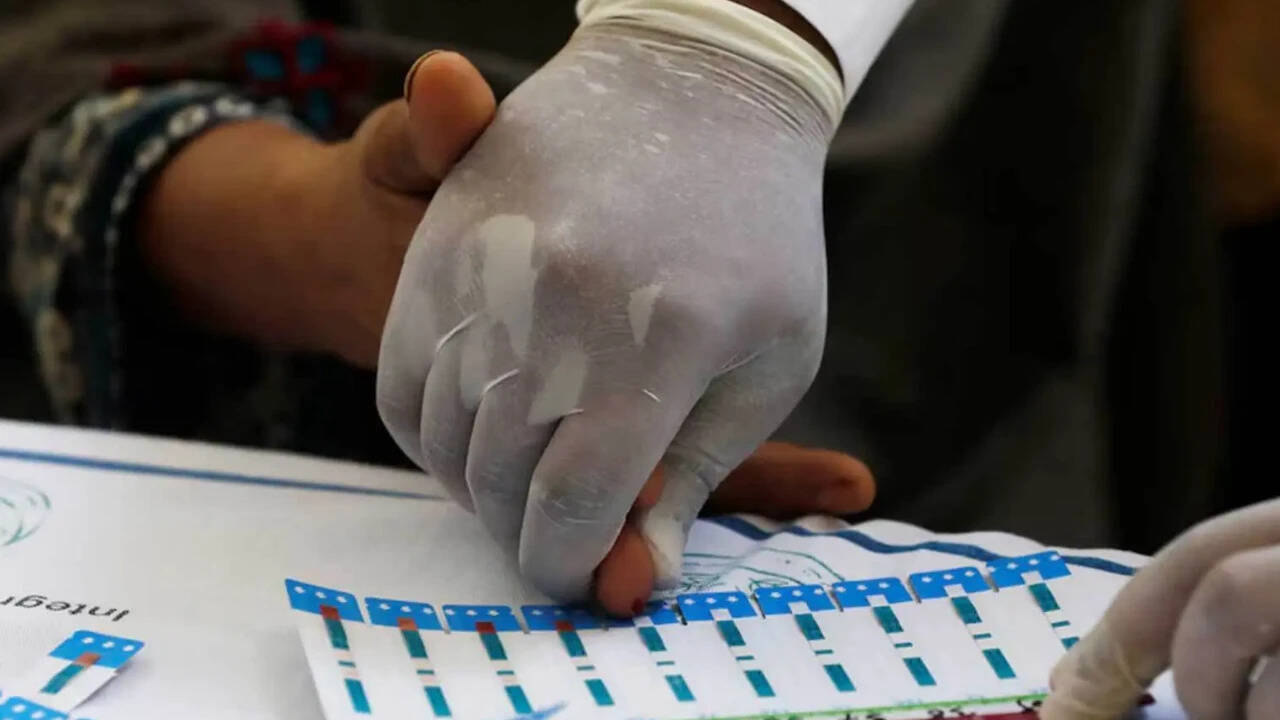
The SHCC's regulatory inspection found that used needles were not being disposed of in sharps bins, hospital staff could not explain disposal of needles (Photo
The SHCC's regulatory inspection found that used needles were not being disposed of in sharps bins, hospital staff could not explain disposal of needles (Photo credit: ANI) At least 78 children have contracted HIV in an outbreak in Pakistan's Karachi linked to serious infection-control and medical waste management failures at a state-run hospital.Findings at the Sindh Employees Social Security Institution (SESSI)-run Valika Hospital in Karachi's SITE area revealed needles manually removed from syringes, inadequate sterilisation safeguards and untrained staff handling contaminated waste.The Sindh Healthcare Commission (SHCC), which conducted a regulatory inspection of the state-run hospital, found that used needles were not being disposed of in sharps bins. That hospital staff could not explain where the removed needles had gone or how they had been disposed of."This raised serious concerns about the hospital's medical waste management practices, as it was unclear where the removed needles had gone or how they had been disposed of," the healthcare commission said.The findings came after a major HIV outbreak at the hospital infected 78 children and led to the screening of more than 10,500 people living in the surrounding area.A further 120 people tested positive for HIV, while six deaths have been reported, according to Dawn.Independent inquiries into the outbreak found widespread failures in infection-prevention practices, including the dangerous reuse of single-use syringes.
The findings have raised fresh questions over the safety of medical procedures and the handling of infectious waste at one of Sindh's state-run hospitals.During its inspection, the SHCC found that technical personnel were unable to tell inspectors how contaminated medical waste was being disposed of. The hospital had also failed to provide formal safety training to staff or produce written guidelines for handling medical waste and following infection-control procedures.The condition of the hospital's autoclave, a machine used to sterilise medical equipment, could not be verified. Nursing staff and operation theatre personnel were also absent from their posts during duty hours, making it difficult for inspectors to assess routine infection-control practices."The working condition of the autoclave could not be verified during the visit. Nursing and operation theatre (OT) staffs were also not available during duty time, which was making it difficult to assess routine infection control practices of their duty places," the regulatory body added.The SHCC also found that medical waste was not being segregated and disposed of according to infection prevention and control guidelines.
 The BriefWire