What is IMAX, how does it work? The maths you didn't know behind Nolan's The Odyssey
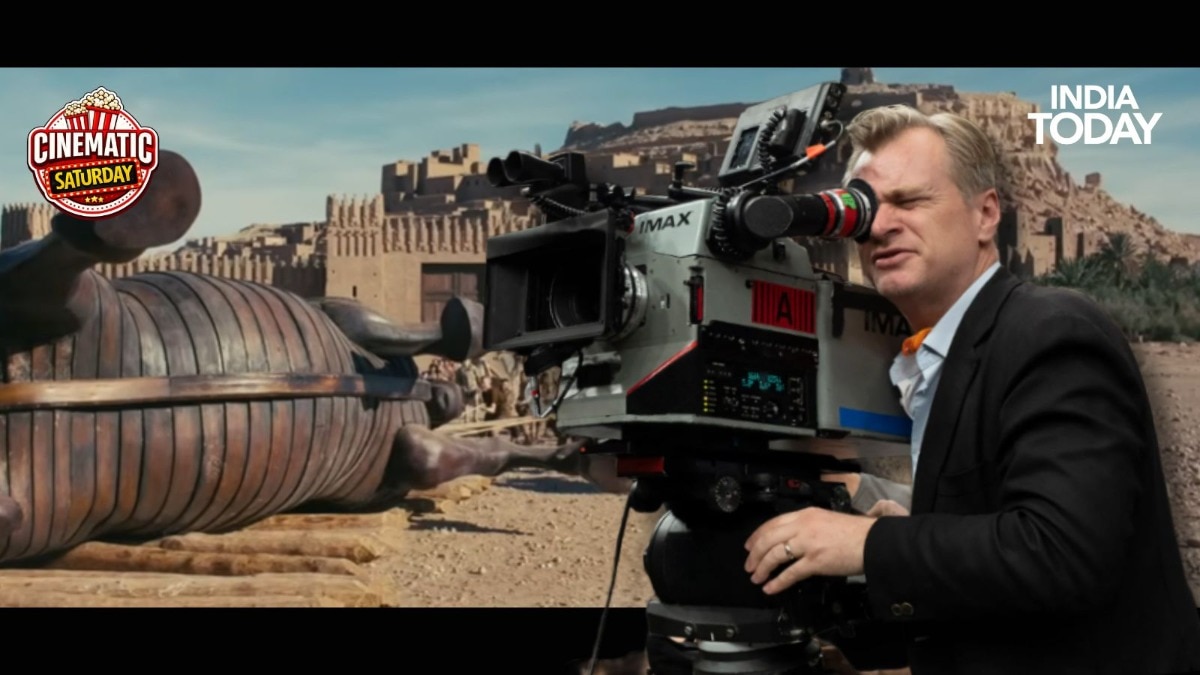
Christopher Nolan, a director who's become almost synonymous with IMAX itself, landed in India this July to promote The Odyssey, the first feature film in
Christopher Nolan, a director who's become almost synonymous with IMAX itself, landed in India this July to promote The Odyssey, the first feature film in history shot entirely on IMAX. A genuine moment for Indian cinema. Except by the time he'd cleared the airport, the internet had already moved on: memes started circulating about Nolan discovering that the IMAX India queues up for isn't quite the IMAX he built his career on. Read Full Story IMAX has long been sold as the gold standard of movie experience in India, and audiences have been willing to pay for that promise. Depending on the city, theatre and showtime, a regular IMAX ticket typically costs anywhere between Rs 400 to Rs 1,200, while opening weekend shows for major releases can climb well beyond Rs 2,000, with Christopher Nolan's The Odyssey recently pushing premium seats to Rs 3,400 in Mumbai and Rs 2,500 in Delhi-NCR. When people are paying that kind of money for a cinema ticket, it's only fair to ask a simple question: what exactly makes IMAX different, and are we really getting the same IMAX that Nolan shoots his films for? So what exactly are you buying when your ticket says IMAX? Grab a tea, this one needs a bit of unpacking, but we promise, by the end, you'll be the one explaining it to your friends at the multiplex. What actually is IMAX? IMAX, short for Image MAXimum, isn't a technology one studio invented and moved on from. It's a standalone, publicly traded company (NYSE: IMAX), founded all the way back in 1967 in Montreal by a group of filmmakers inspired by the giant multi-screen displays at Expo 67, who then spent years building a single-projector system that could do the same job better. Today it's run by long-time CEO Richard Gelfond, and it doesn't just sell projectors and walk away. IMAX enters long-term partnerships with cinema chains, effectively co-designing the auditorium itself, the screen placement, the acoustics, the whole room, often funding a chunk of the installation in exchange for a cut of ticket sales going forward. None of that explains what you're actually seeing on screen, though. For that, let's park the company discussion and look at the shape of the picture itself. Forget the jargon, think of it as a window Every film has an aspect ratio, simply the shape of the rectangle you're watching it in. Wide and short, or tall and roomy. That's the whole concept people spend YouTube videos over-complicating. Picture a normal window in your house, waist height, running along the wall. That's an ordinary cinema screen: the 2.39:1 scope ratio that roughly eight in ten films and eight in ten Indian screens are built for, the shape cinema settled on in the 1950s to make theatres feel bigger than the boxy TVs people had at home. Now picture a mason knocking that window open, upward, both ways: more glass above and below, same width. You haven't moved, but you can now see the treetops and the ground that used to be hidden. That's what an IMAX screen does to a film: not a different picture, just more of the same picture.
 The BriefWire