Not Just Another Launch: 10 Firsts That Make Skyroot’s Vikram-1 A Big Deal
Not Just Another Launch: 10 Firsts That Make Skyroot’s Vikram-1 A Big Deal Published By, Last Updated: July 18, 2026, 09:19 IST Scheduled for 11.30
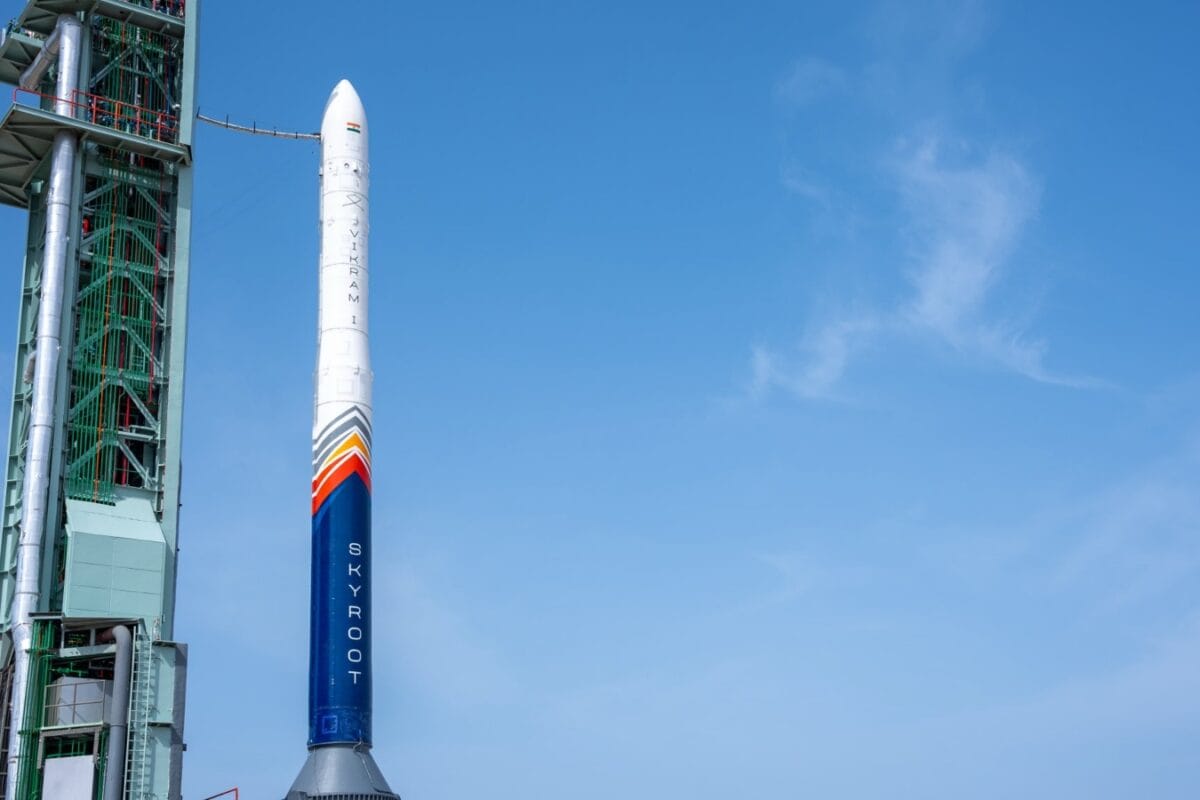
Not Just Another Launch: 10 Firsts That Make Skyroot’s Vikram-1 A Big Deal Published By, Last Updated: July 18, 2026, 09:19 IST Scheduled for 11.30 am, Mission Aagaman will be India’s first attempt to place payloads into orbit using a launch vehicle developed entirely by a private company. Rapid Read Skyroot Aerospace is set to launch Vikram-1 on Mission Aagaman from the Satish Dhawan Space Centre in Sriharikota at 11.30 am. (Image: X/SkyrootA) Skyroot Aerospace is set to launch Vikram-1 on Mission Aagaman from the Satish Dhawan Space Centre in Sriharikota at 11.30 am on Saturday, marking a major step for India’s private space sector. The mission will be the first orbital launch attempt by an Indian private company using a launch vehicle developed outside the government space programme. But that is not the only milestone associated with Vikram-1. From an all-carbon composite structure and a fully 3D-printed engine to unusual scientific and artistic payloads, Mission Aagaman is expected to deliver a series of firsts for India’s growing commercial space ecosystem. First Orbital Launch Attempt By An Indian Space Startup Mission Aagaman will be Skyroot Aerospace’s maiden attempt to send a rocket into orbit. While several Indian private companies have entered the space manufacturing and services sector, Skyroot will become the first domestic startup to attempt an orbital mission using its own launch vehicle. India’s First Privately Developed Orbital Rocket Vikram-1 is the first privately developed Indian launch vehicle designed to place satellites into orbit. The mission represents a shift in India’s space sector, where private companies are increasingly moving beyond supplying components and services to developing complete launch systems.
India’s First All-Carbon Composite Orbital Launch Vehicle Vikram-1 has been built using an all-carbon composite structure, making it the first Indian orbital rocket of its kind. Carbon composites are lighter than conventional rocket-grade steel while offering high structural strength. The reduced weight can help improve the rocket’s overall efficiency and payload-carrying performance. Country’s Longest Monolithic Carbon Composite Rocket Stage The first stage of Vikram-1 is also being described as India’s longest monolithic carbon composite rocket stage. A monolithic structure is manufactured as a single integrated unit instead of being assembled from multiple major sections. The stage highlights the advances made in domestic composite manufacturing and aerospace engineering. First Fully 3D-Printed Engine On An Indian Orbital Vehicle The rocket’s Orbital Adjustment Module is powered by a 100 per cent 3D-printed liquid engine. According to the mission details, this will be the first time a fully 3D-printed engine is used on an Indian orbital launch vehicle. The module is designed to make adjustments after the main stages of the rocket complete their role, helping position payloads in the intended orbit. First-Of-Its-Kind Low-Shock Separation Technology Vikram-1 uses an ultra-low-shock pneumatic system for the separation of its stages and payload fairings. Skyroot says the technology is the first of its kind in India’s launch vehicle ecosystem. Rocket separation systems must disconnect stages and release payload coverings without exposing satellites and other equipment to excessive vibrations or mechanical shock. Dedicated Space Debris Removal Technology Demonstration Mission Aagaman will carry the EMBRACE payload, which includes robotic arm technology intended for future space debris removal operations. The experiment will make the mission the first Indian private orbital launch to host a dedicated demonstration related to removing debris from space.
 The BriefWire