'EC Cannot Decide Who Is Citizen': SC Says Voter Deletion Does Not End Citizenship Status
'EC Cannot Decide Who Is Citizen': SC Says Voter Deletion Does Not End Citizenship Status Published By, Last Updated: July 18, 2026, 06:24 IST The
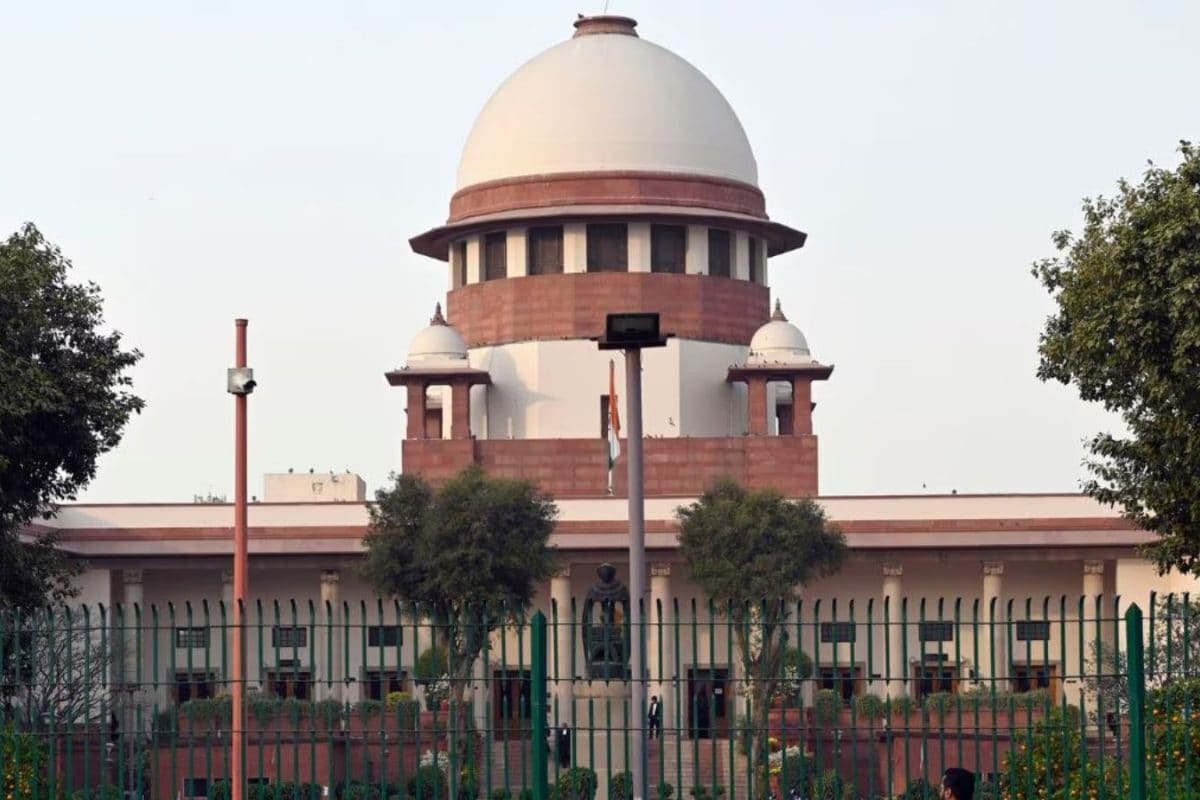
'EC Cannot Decide Who Is Citizen': SC Says Voter Deletion Does Not End Citizenship Status Published By, Last Updated: July 18, 2026, 06:24 IST The court said the poll body has authority over electoral rolls but is not the competent authority to decide citizenship under the law. Supreme Court of India | PTI Image The Supreme Court on Friday observed that the Election Commission cannot determine whether a person is an Indian citizen and clarified that deletion of a name from electoral rolls during the Special Intensive Revision (SIR) process does not automatically result in loss of citizenship status. A bench comprising Chief Justice Surya Kant and Justices Joymalya Bagchi and V Mohana said the poll body has authority over electoral rolls but is not the competent authority to decide citizenship under the law. “The Election Commission is not a constitutional authority concerning the determination of citizenship. There is no confusion in law. The Election Commission has control and superintendence over the electoral roll," the bench said while hearing a plea related to the West Bengal SIR exercise. The court added that exclusion from voter lists does not, by itself, end a person’s citizenship. “The EC has control over electoral rolls.
It can decide not to include someone. However, that does not result in loss of status of citizenship per se," the bench observed. “We made it clear that EC has a corresponding duty that as soon as there is a decision (to exclude someone from electoral rolls), it (EC) has to refer to the Ministry (of Home) for adjudication under Citizenship Act. Unless that is done, status (as a citizen) must go on," it added. SC seeks EC, Bengal response on voter data disclosure The remarks came as the court sought responses from the Election Commission, the West Bengal government and the state poll panel on a PIL seeking constituency-wise data of claims and objections filed by voters whose names were removed during the SIR process. The plea, filed by Prasenjit Bose, chairperson of the SIR Committee of the West Bengal Pradesh Congress Committee, sought details on inclusion and deletion forms, rejected claims, pending appeals and the functioning of appellate tribunals. Senior advocate Gopal Sankaranarayan, appearing for Bose, argued that delays in the tribunal process were affecting people who had been excluded from electoral rolls. He said such individuals were facing difficulties in accessing welfare benefits, including public distribution schemes and caste certificates.
The bench reiterated that if citizenship concerns arise during the process, such cases must be referred to the Union government, which is the competent authority under the Citizenship Act. “We had told the EC to forward the list of people with doubtful citizenship credentials to the Union govt, which is the competent authority to determine citizenship of a person," the court said. The plea alleged that more than 58 lakh electors were excluded during the enumeration phase of the West Bengal SIR exercise and questioned the lack of publicly available constituency-wise data on deletions and appeals. The Supreme Court agreed to hear the matter along with other pending petitions related to the SIR exercise, including one filed by former West Bengal chief minister Mamata Banerjee, on August 25. (With inputs from PTI) News18 Newsletter Handpicked stories, in your inbox A newsletter with the best of our journalism submit Key Questions Answered What happens to citizenship if a name is deleted from voter lists? Deletion of a name from voter lists does not automatically end Indian citizenship status. The Election Commission (EC) is not the competent authority to decide citizenship under the law. How will the EC refer doubtful citizenship cases to the Union government?
 The BriefWire