Kim Jong Un was meant to be their only idol - then North Koreans discovered K-pop
On a sunny Saturday in June, Lee Yeon-su took the day off from work and hopped on a train from Seoul to Busan for yet
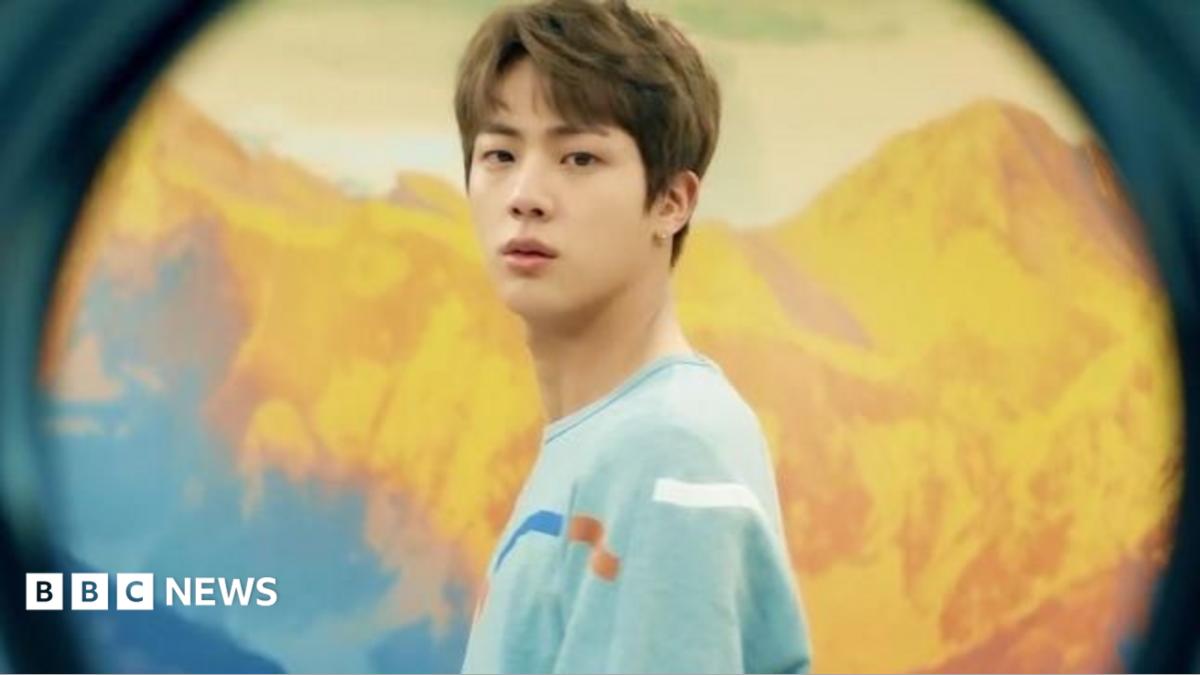
On a sunny Saturday in June, Lee Yeon-su took the day off from work and hopped on a train from Seoul to Busan for yet another concert by pop supergroup BTS. It was her third time in as many months. She had been in the crowds that poured into central Seoul in March, when the septet launched their comeback - but the stage was too far away.
In April, on the first day of their world tour, the rain poured down, drowning out the singers' voices. But this time in Busan, it was "incredible". "Every time I come to a BTS concert, I realise how happy I am that I can like and support someone of my own free will," Yeon-su, which is not her real name, says.
"That would have been unimaginable in North Korea." That's where she was born, in the so-called Hermit Kingdom, just north of the heavily fortified border with South Korea. The outside world was out of reach, cut off by a regime built on fear, surveillance and loyalty. "You had to be selected to attend events and if you weren't, you had to stay home with your curtains closed." Now in South Korea, she can decide who to cheer for and how.
In Busan, alongside a vast fandom, she screamed, jumped and sang at the top of her lungs, especially for her old favourites, the high-octane Fire and hip-hop hit Mic Drop.
 The BriefWire