BJP's 'Maharashtra Matchmaking Masterplan': Reunite NCP To Win Two-Thirds Battle In Parliament
BJP's 'Maharashtra Matchmaking Masterplan': Reunite NCP To Win Two-Thirds Battle In Parliament Written By, Last Updated: July 18, 2026, 03:56 IST The BJP top brass
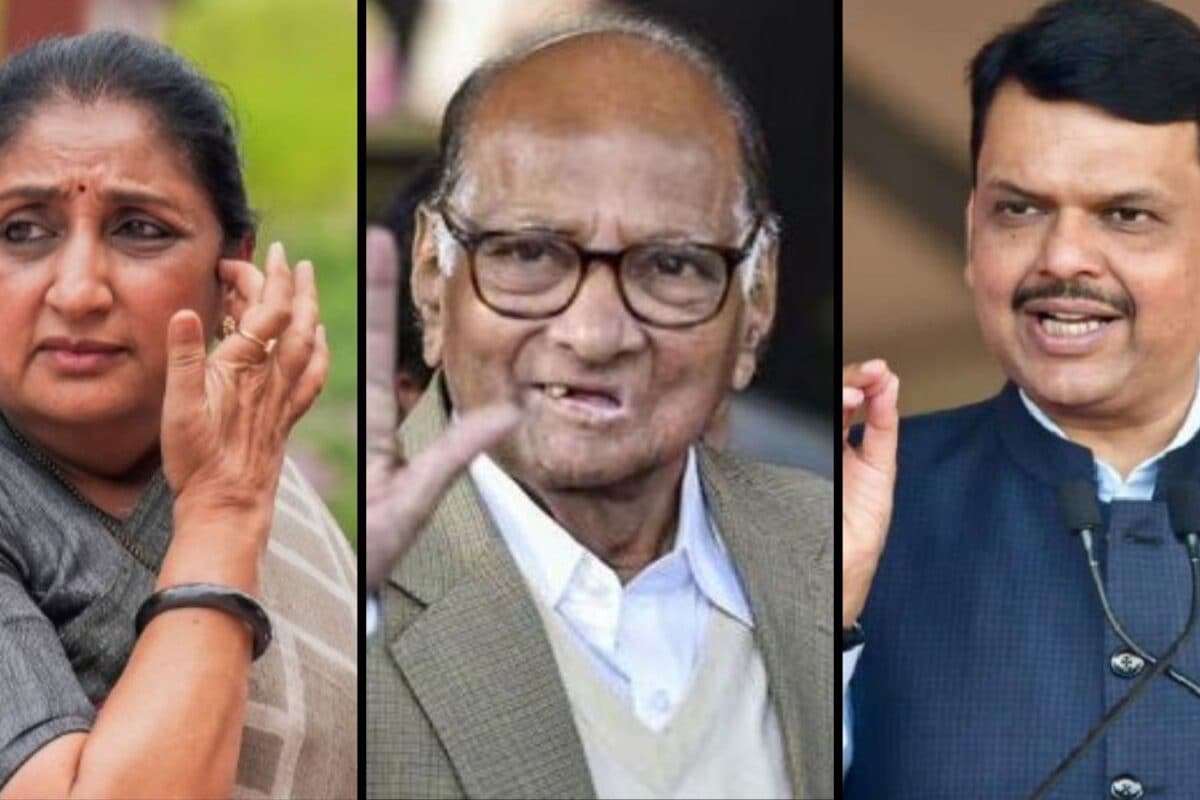
BJP's 'Maharashtra Matchmaking Masterplan': Reunite NCP To Win Two-Thirds Battle In Parliament Written By, Last Updated: July 18, 2026, 03:56 IST The BJP top brass prefers the NCP to maintain its distinct identity, firmly rejecting the alternative idea of either faction merging directly into the saffron party, say sources (From Left) Sunetra Pawar, Sharad Pawar, and Devendra Fadnavis. File image In a high-stakes political manoeuvre aimed at reshaping the numbers in Parliament, the Bharatiya Janata Party (BJP) leadership has reportedly proposed a major structural realignment in Maharashtra politics. As the ruling alliance intensifies its efforts to pass crucial constitutional amendment bills—specifically the landmark rollout of the Women’s Reservation Act and the highly anticipated Delimitation Bill—securing a two-thirds legislative majority has become an absolute necessity for the government. To bridge the parliamentary deficit, the BJP high command has put forward a strategic blueprint: the two rival factions of the Nationalist Congress Party (NCP) should bury the hatchet, reunite into a single cohesive political force, and join the Democratic Alliance (NDA) as a unified bloc, sources say. Crucially, the top brass has made it clear that it prefers the regional force to maintain its distinct identity, firmly rejecting the alternative idea of either faction merging directly into the BJP.
Why a Direct Merger Flouts Tactical Strategy The ruling party’s decision to keep the reunited entity as an independent alliance partner rather than absorbing it stems from deeply calculated electoral arithmetic. The Caste Equation: The BJP’s core support base in the region relies heavily on the “Madhav" social coalition, which represents specific Other Backward Classes (OBC) communities. A direct absorption of the NCP could alienate these groups due to the historical political friction with the NCP’s dominant Maratha vote bank. Preserving Ally Confidence: Retaining the NCP as a separate entity prevents a wave of domestic insecurity among existing regional partners, such as the Eknath Shinde-led Shiv Sena, ensuring the stability of the local coalition. Maximising Regional Footprint: Operating as distinct entities allows the NDA to appeal to vastly different segments of the electorate simultaneously, strengthening its overall pan-state presence. The Arithmetic of the Constitutional Bills The primary catalyst for this outreach remains the mathematical reality inside Parliament. Passing constitutional amendments demands a strict two-thirds voting threshold. Having faced previous setbacks when trying to clear these legislative hurdles, the treasury benches are proactively shoring up support well before the bills are formally brought back to the floor.
 The BriefWire