Uppal flyover works push traffic into residential lanes in eastern Hyderabad, double commute times for residents
More Local News news · Trending news
Published 5/23/2026, 4:40:12 PM · Updated 5/23/2026, 4:46:04 PMBy TheBriefWire Editorial Team
Key points
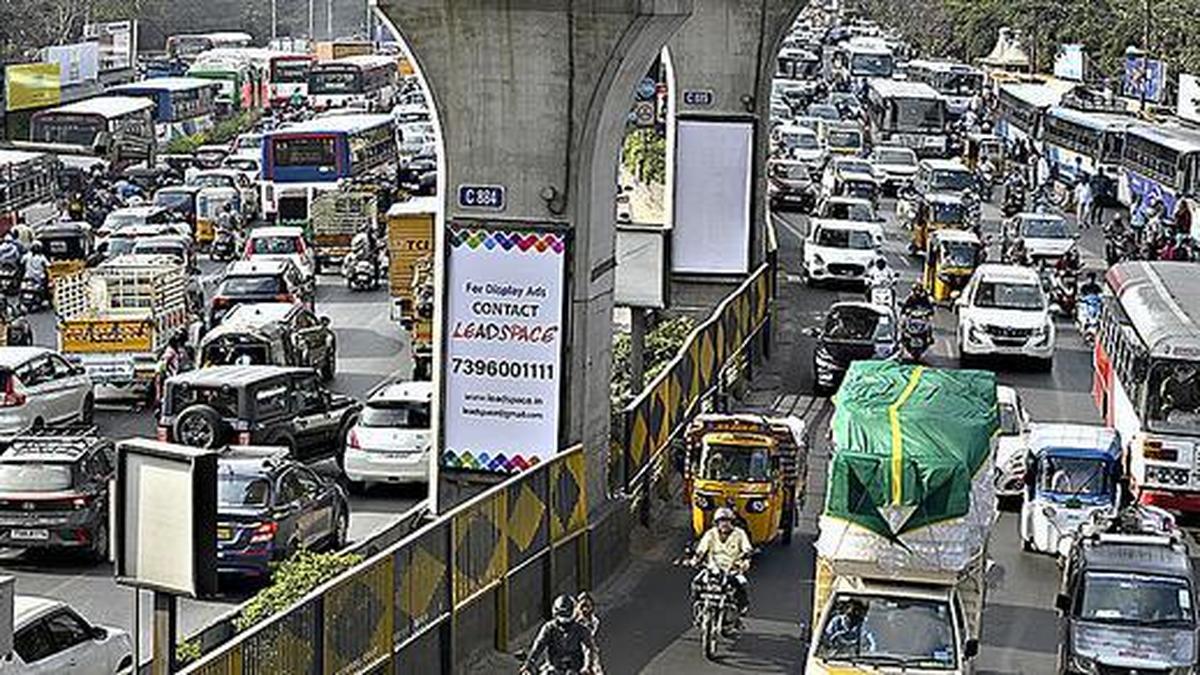
- Traffic diversions triggered by the ongoing Uppal–Narapally elevated corridor works are increasingly spilling into colony roads and residential lanes, slowing commutes and affecting businesses across Uppal X roads and surrounding areas.
- What was once a five-minute commute between Uppal and Boduppal has now turned into a slow crawl for many residents as vehicles heading towards Hyderabad–Warangal highway are being rerouted through internal roads and alternative corridors.
- Locals reported congestion and delays during unexpected hours.
- Niharika, a commuter travelling from Ramanthapur towards Turkayamjal, said traffic has started building up well before peak office hours.
- “Even at around 6 a.m., there was heavy traffic towards Tarnaka and Nagole.
Published May 23, 2026.
Quick Summary
Traffic diversions triggered by the ongoing Uppal–Narapally elevated corridor works are increasingly spilling into colony roads and residential lanes, slowing commutes and affecting businesses across
Why It Matters
This development is important because it may impact public opinion, policy decisions, and future developments related to Uppal flyover works push traffic into residential lanes in e.
Key Takeaways
- Traffic diversions triggered by the ongoing Uppal–Narapally elevated corridor works are increasingly spilling into colony roads and residential lanes, slowing commutes and affecting businesses across Uppal X roads and surrounding areas.
- What was once a five-minute commute between Uppal and Boduppal has now turned into a slow crawl for many residents as vehicles heading towards Hyderabad–Warangal highway are being rerouted through internal roads and alternative corridors.
- Locals reported congestion and delays during unexpected hours.
- Niharika, a commuter travelling from Ramanthapur towards Turkayamjal, said traffic has started building up well before peak office hours.
- “Even at around 6 a.m., there was heavy traffic towards Tarnaka and Nagole.
Traffic diversions triggered by the ongoing Uppal–Narapally elevated corridor works are increasingly spilling into colony roads and residential lanes, slowing commutes and affecting businesses across Uppal X roads and surrounding areas. What was once a five-minute commute between Uppal and Boduppal has now turned into a slow crawl for many residents as vehicles heading towards Hyderabad–Warangal highway are being rerouted through internal roads and alternative corridors. Locals reported congestion and delays during unexpected hours. L. Niharika, a commuter travelling from Ramanthapur towards Turkayamjal, said traffic has started building up well before peak office hours. “Even at around 6 a.m., there was heavy traffic towards Tarnaka and Nagole. Taking a u-turn was extremely choked because of the traffic volume. It took me over 10 minutes to cross a stretch that would otherwise take four or five minutes even during peak hours,” she said. The ongoing works have led to a three-way diversion system around Uppal junction.
According to Uppal Traffic Inspector G. Nagaraju, the most preferred route currently is via the Survey of India road towards Beerappagadda lane, which is now carrying 50-60% of the diverted traffic. Another diversion route directs motorists through Uppal Bhagayath and Nalla Cheruvu road, while several commuters relying on Google Maps are taking the Habsiguda–Nacharam–NFC corridor after navigation apps began showing it as a faster route towards Warangal, the officer said. While officials say the diversions have helped prevent large-scale bottlenecks on the main carriageway, the traffic burden has increasingly shifted onto residential and commercial stretches that were never designed to handle sustained vehicular flow. Among the worst-affected stretches are Raghavendra Colony Road, Laxma Reddy Colony Road, the old Sub-Registrar office lane and Beerappagadda road, where residents report congestion extending well into late evenings. “Since the traffic diversions came into effect near the Uppal flyover stretch, walk-in customers have dropped noticeably.
Earlier, people could reach Boduppal from Uppal in about five minutes, but now the journey takes close to 15 minutes because of the congestion and diverted traffic routes. Many customers are avoiding the stretch altogether, though we are somehow managing so far because we don’t have a choice,” said Sai Nikhil, an executive at a mobile phone store on Boduppal Main Road. Residents living along diversion corridors say the impact now extends beyond traffic delays and is disrupting everyday life inside colonies. “Parking has become a major issue. Since the diversions have increased travel time, people are parking hurriedly along the roadside to save time before catching the Metro instead of using the designated parking facility, choking the already narrow bylane,” said Narotham Reddy, owner of a men’s hostel on Raghavendra Colony Road. “We informed the traffic police personnel stationed on the road, but nothing has changed so far.
Because of the lack of space, we are forced to keep our own vehicles parked inside the hostel premises all the time. Even at around 10.30 p.m. or 11 p.m., the road remains packed with vehicles. The evening hours are the worst, with commuters spending an additional 10 to 15 minutes in traffic compared to their usual travel time,” he added. Nagaraju said bumper-to-bumper traffic is particularly being observed at Laxma Reddy Colony and the old Sub-Registrar office lane, where several two-wheeler riders are attempting to take wrong-side shortcuts despite barricades, signages and police deployment. “The authorised diversion only adds around half-a-kilometre of additional travel distance and about 2-3 minutes of travel time. But some commuters are driving in the opposite direction in an attempt to save a few minutes, resulting in temporary choke points,” he said.
📌 Source: The Hindu
 The BriefWire