Pakistan Army Chief Munir and Iran FM Araghchi hold talks in Tehran to end West Asia conflict
More United States news · Trending news
Published 5/23/2026, 1:46:21 PM · Updated 5/23/2026, 5:02:47 PMBy TheBriefWire Editorial Team
Key points
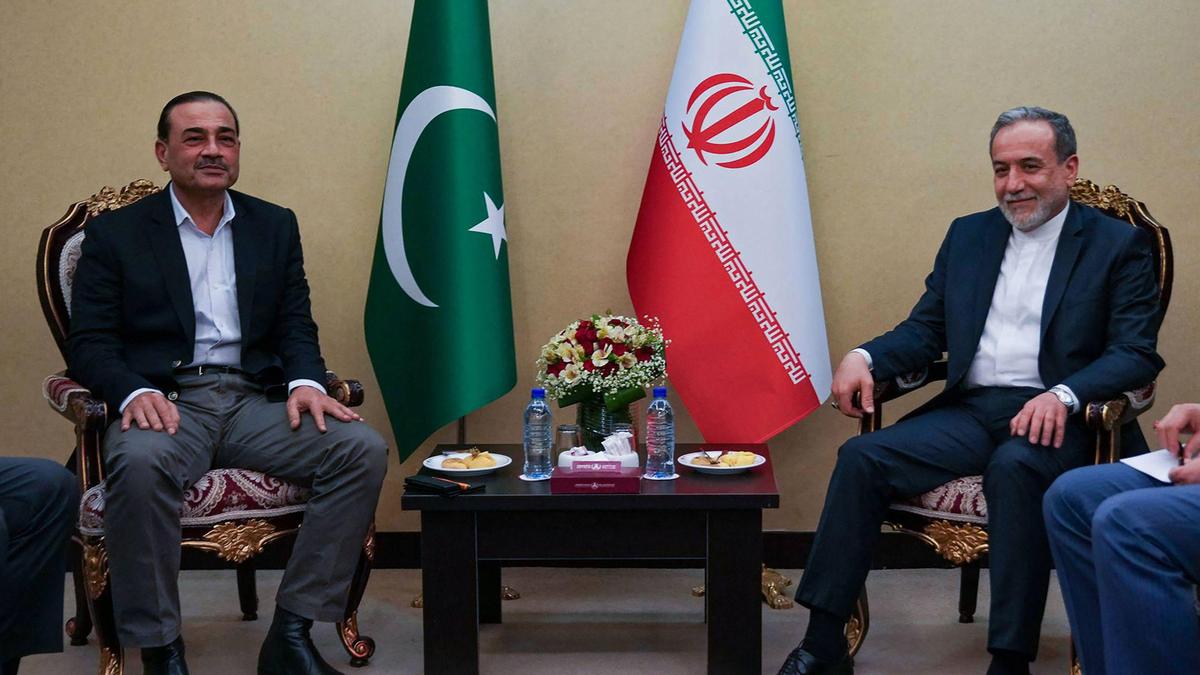
- Pakistan’s Army Chief Field Marshal Asim Munir has held talks with Iran’s Foreign Minister Abbas Araghchi to end the West Asia conflict and establish lasting peace in the region, the Iranian government said on Saturday (May 23, 2026).
- Munir flew to Tehran on Friday (May 22) for a crucial visit to expedite efforts for a peace deal between the U.S. and Iran, said the Pakistan Army, adding that the visit was “part of ongoing mediation efforts”.
- Read More: Iran-Israel war LIVE updates Munir was received in Tehran by Iran’s Interior Minister Eskandar Momeni.
- Meanwhile, Pakistan’s Interior Minister Mohsin Naqvi believed to be close to Mr. Munir — was already in Tehran and engaging in talks with top Iranian officials when the Field Marshal arrived, according to the Army.
- According to a statement posted in social media by Iran’s government, Mr. Munir met Mr. Araghchi in Tehran to “discuss diplomatic efforts...
Published May 23, 2026.
Quick Summary
Pakistan’s Army Chief Field Marshal Asim Munir has held talks with Iran’s Foreign Minister Abbas Araghchi to end the West Asia conflict and establish lasting
Why It Matters
This development is important because it may impact public opinion, policy decisions, and future developments related to Pakistan Army Chief Munir and Iran FM Araghchi hold talks in.
Key Takeaways
- Pakistan’s Army Chief Field Marshal Asim Munir has held talks with Iran’s Foreign Minister Abbas Araghchi to end the West Asia conflict and establish lasting peace in the region, the Iranian government said on Saturday (May 23, 2026).
- Munir flew to Tehran on Friday (May 22) for a crucial visit to expedite efforts for a peace deal between the U.S.
- and Iran, said the Pakistan Army, adding that the visit was “part of ongoing mediation efforts”.
- Meanwhile, Pakistan’s Interior Minister Mohsin Naqvi believed to be close to Mr.
- Munir — was already in Tehran and engaging in talks with top Iranian officials when the Field Marshal arrived, according to the Army.
Pakistan’s Army Chief Field Marshal Asim Munir has held talks with Iran’s Foreign Minister Abbas Araghchi to end the West Asia conflict and establish lasting peace in the region, the Iranian government said on Saturday (May 23, 2026). Munir flew to Tehran on Friday (May 22) for a crucial visit to expedite efforts for a peace deal between the U.S. and Iran, said the Pakistan Army, adding that the visit was “part of ongoing mediation efforts”. Read More: Iran-Israel war LIVE updates Munir was received in Tehran by Iran’s Interior Minister Eskandar Momeni.
Meanwhile, Pakistan’s Interior Minister Mohsin Naqvi believed to be close to Mr. Munir — was already in Tehran and engaging in talks with top Iranian officials when the Field Marshal arrived, according to the Army. According to a statement posted in social media by Iran’s government, Mr. Munir met Mr. Araghchi in Tehran to “discuss diplomatic efforts aimed at preventing further escalation and promoting peace, stability, and security in West Asia”. Iran’s state-run IRNA news agency reported that talks between the two leaders went late into the night.
This is the Field Marshal's second trip to Iran in just over a month. Pakistan has emerged as a mediator in the ongoing conflict, which has triggered severe energy shortages and impacted economies across the world. Several analysts say that Pakistan enjoys the confidence of both Tehran and Washington. Islamabad hosted senior leaders of the two sides last month for peace talks, the first of its kind since 1979, but the parties failed to clinch a deal. The key sticking points are believed to be Iran’s nuclear programme and control over the Strait of Hormuz - a waterway that hosts roughly one-fifth of the world’s energy supplies in normal times.
Shippings through the strait have been severely disrupted since February 28, when the US and Israel launched joint attacks on Iran, triggering retaliatory strikes. Shipping disruptions continue even though a fragile ceasefire has been in place since April 8.
📌 Source: The Hindu
 The BriefWire