A nation that makes its own weapons writes its destiny: Rajnath Singh
More Technology news · Trending news
Published 5/23/2026, 4:05:06 PM · Updated 5/23/2026, 4:50:42 PMBy TheBriefWire Editorial Team
Key points
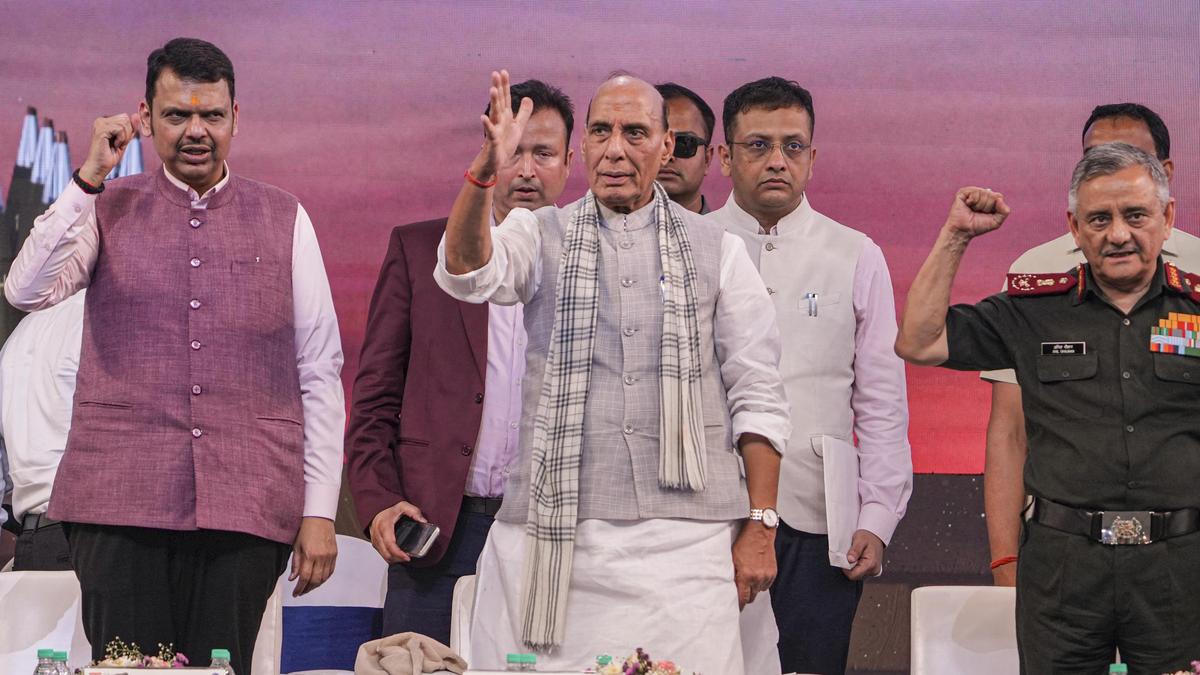
- Defence Minister Rajnath Singh on Saturday (May 23, 2026) said that countries capable of producing their own weapons shape their own future, as he inaugurated NIBE Group’s Defence Manufacturing Complex in Shirdi, Maharashtra, in the presence of Maharashtra Chief Minister Devendra Fadnavis.
- The newly inaugurated complex will manufacture advanced artillery systems, missile and space technologies, rocket systems, energetic materials, and autonomous defence platforms, strengthening India’s push towards self-reliance in defence production.
- According to the Defence Ministry, a major highlight of the event was the flagging off of India’s first 300-km Universal Rocket Launching System, Suryastra.
- The foundation stone for a dedicated missile complex for the system was also laid.
- Indigenous TNT Plant Technology, RDX Plant Technology, and a Renewable Bio-Energy Compressed Biogas Plant were unveiled during the ceremony.
Published May 23, 2026.
Quick Summary
Defence Minister Rajnath Singh on Saturday (May 23, 2026) said that countries capable of producing their own weapons shape their own future, as he inaugurated
Why It Matters
This development is important because it may impact public opinion, policy decisions, and future developments related to A nation that makes its own weapons writes its destiny: Rajn.
Key Takeaways
- Defence Minister Rajnath Singh on Saturday (May 23, 2026) said that countries capable of producing their own weapons shape their own future, as he inaugurated NIBE Group’s Defence Manufacturing Complex in Shirdi, Maharashtra, in the presence of Maharashtra Chief Minister Devendra Fadnavis.
- The newly inaugurated complex will manufacture advanced artillery systems, missile and space technologies, rocket systems, energetic materials, and autonomous defence platforms, strengthening India’s push towards self-reliance in defence production.
- According to the Defence Ministry, a major highlight of the event was the flagging off of India’s first 300-km Universal Rocket Launching System, Suryastra.
- The foundation stone for a dedicated missile complex for the system was also laid.
- Indigenous TNT Plant Technology, RDX Plant Technology, and a Renewable Bio-Energy Compressed Biogas Plant were unveiled during the ceremony.
Defence Minister Rajnath Singh on Saturday (May 23, 2026) said that countries capable of producing their own weapons shape their own future, as he inaugurated NIBE Group’s Defence Manufacturing Complex in Shirdi, Maharashtra, in the presence of Maharashtra Chief Minister Devendra Fadnavis. The newly inaugurated complex will manufacture advanced artillery systems, missile and space technologies, rocket systems, energetic materials, and autonomous defence platforms, strengthening India’s push towards self-reliance in defence production. According to the Defence Ministry, a major highlight of the event was the flagging off of India’s first 300-km Universal Rocket Launching System, Suryastra.
The foundation stone for a dedicated missile complex for the system was also laid. Indigenous TNT Plant Technology, RDX Plant Technology, and a Renewable Bio-Energy Compressed Biogas Plant were unveiled during the ceremony. NIBE Group also exchanged an MoU with Black Sky for cooperation in satellite assembly. Addressing the gathering, Mr. Singh said future wars would increasingly be determined by advancements in munitions, automation, and emerging technologies rather than merely the size of armed forces. Referring to the Russia-Ukraine conflict, developments in West Asia, and Operation Sindoor, he said modern warfare has underlined the strategic importance of indigenous technological capabilities.
The Defence Minister emphasised that India’s private sector has evolved from being a minor contributor to becoming a key innovator in defence manufacturing. He noted that private sector participation in defence production has now reached nearly 25-30%, with the government aiming to raise it to 50% in the coming years. Highlighting reforms introduced over the past decade, Mr. Singh cited liberalised FDI norms, the Strategic Partnership Model, Positive Indigenisation Lists, and innovation-focused initiatives such as iDEX, ADITI, and the Technology Development Fund as major drivers of indigenous capability development.
He said the new defence complex would create employment opportunities, strengthen MSMEs and ancillary industries, and empower local youth with advanced technological skills, while significantly boosting India’s future warfare capabilities and strategic preparedness.
📌 Source: The Hindu
 The BriefWire