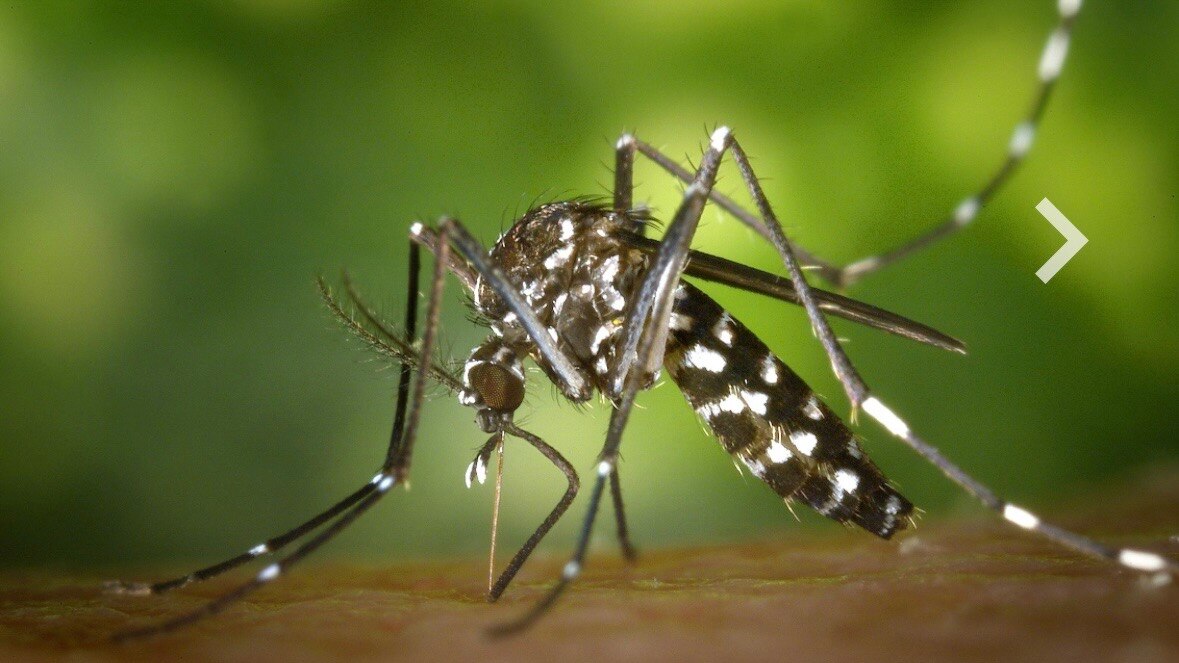
For years, dengue was seen as a disease that arrived with the monsoon and disappeared once the rains ended. Most people associate the infection with waterlogging, mosquito breeding, and rising fever cases during July to November. But doctors now say this understanding is outdated. Dengue is increasingly becoming a year-round health concern in many Indian cities. Health experts are observing dengue infections even during summer and winter months, something that was once considered uncommon. Read Full Story While the highest number of cases still appears during and after the rainy season, hospitals are now treating dengue patients in months when people usually lower their guard against mosquitoes. According to doctors, climate change, rising temperatures, irregular rainfall, humidity, rapid urbanisation, and poor water management are all contributing to this shift. Mosquitoes are finding more opportunities to breed, survive, and spread the virus beyond the traditional monsoon period. Experts also say that many people still wrongly believe dengue mosquitoes breed only in dirty water. In reality, the Aedes mosquito, which spreads dengue, breeds in clean stagnant water commonly found inside homes, offices, construction sites, coolers, buckets, plant trays, and overhead tanks. WHY DENGUE IS SPREADING BEYOND MONSOON Dr Niranjan Singh, Additional Director - Internal Medicine, at CK Birla Hospitals, says dengue patterns are clearly changing. “Dengue was for a long time considered to be a disease connected only to the monsoon. But this trend is changing. We are now seeing earlier, longer, and in some places, almost year-round dengue cases,” he explained. According to him, rising temperatures are one of the biggest reasons behind this shift. Warmer weather speeds up the mosquito breeding cycle and also allows the dengue virus to grow faster inside the mosquito. “This makes mosquitoes infectious sooner and in greater numbers,” he said. Even small spells of rain combined with heat and humidity can create ideal breeding conditions for mosquitoes long after the monsoon season ends. URBAN LIFESTYLE IS MAKING THE PROBLEM WORSE Doctors say city lifestyles and water storage habits are also helping mosquitoes survive throughout the year. Singh explained that stagnant water collected in air coolers, buckets, construction sites, rooftop tanks, plant trays, and blocked drains becomes a perfect breeding ground for Aedes mosquitoes. “A common myth is that mosquitoes breed only in dirty water. But dengue mosquitoes breed in clean stagnant water found around homes and workplaces,” he added. Poor drainage systems and unplanned urban growth are further increasing the risk in densely populated areas. DENGUE CAN HAPPEN IN ANY SEASON Dr Hari Kishan Boorugu, Consultant Physician and Infectious Disease Specialist at Yashoda Hospitals, says dengue cases outside the rainy season are not entirely new, but people are now noticing them more often. “We see dengue patients throughout the year in January, May, June, and summer months too, though the highest number of cases still comes between July and November,” he said. He explained that mosquitoes continue to survive in many places because water stagnation and unhealthy surroundings remain present even during dry months. At the same time, awareness about dengue has improved. Earlier, people and even some healthcare providers mainly suspected dengue during the monsoon months. Now, because outbreaks are occurring across seasons, doctors are more alert to identifying the infection throughout the year. WHY DENGUE CAN BE DANGEROUS Doctors warn that dengue should never be taken lightly. While many patients recover with supportive care, severe dengue can lead to serious complications and may require hospitalisation. Dr Boorugu said dengue can affect multiple organs and may lead to low platelet counts, jaundice, kidney problems, and lung complications. “There is no specific antiviral treatment for dengue. Prevention remains the most effective protection,” he said. THE DENGUE MOSQUITO BITES DURING THE DAY One important fact many people do not know is that the Aedes mosquito mainly bites during daytime, especially around dawn and dusk. This makes dengue prevention different from malaria prevention. “Using mosquito repellents only at night may not fully protect against dengue because the Aedes mosquito is predominantly a daytime feeder,” Dr Boorugu explained. He advised people to wear full-sleeved clothes, trousers, shoes, and apply mosquito repellent creams while stepping outside, especially in mosquito-prone areas. PREVENTION CAN NO LONGER BE SEASONAL Doctors stress that dengue prevention should now become a year-round habit instead of a seasonal response during the monsoon. Simple measures such as emptying stagnant water, cleaning coolers regularly, covering water containers, improving drainage systems, and using mosquito protection can significantly reduce the risk. Experts also say India may soon see w

 The BriefWire