China’s shark finning could lead to US seafood sanctions
More Business & Finance news · Trending news
Published 5/23/2026, 11:00:25 AM · Updated 5/23/2026, 11:54:05 AMBy TheBriefWire Editorial Team
Key points
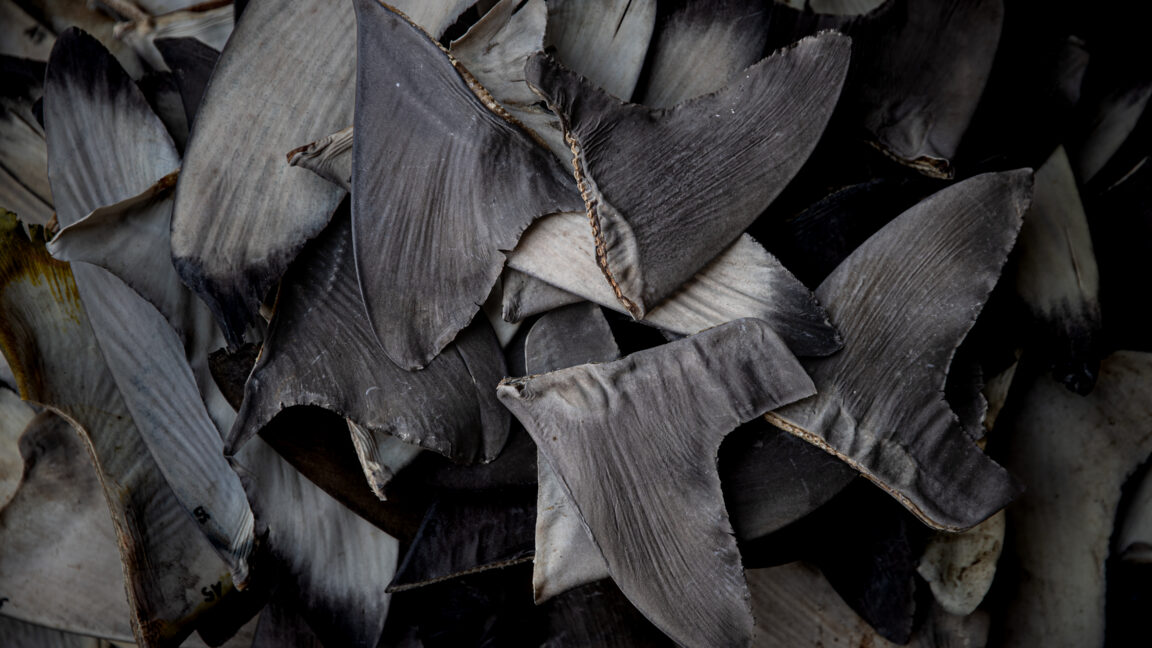
- For migrant workers trapped onboard Chinese distant water fishing fleets, cutting the fins off sharks as they writhe violently on rusted decks in the Indian Ocean isn’t accidental.
- It’s an intentional and lucrative act that marks the start of a bloody half-a-billion-dollar offshore supply chain, tacitly supported by Beijing yet covertly concealed from port inspectors globally.
- The Center for Biological Diversity, a nonprofit focused on the protection of endangered species, filed a formal petition this month requesting the U.S. government potentially sanction China for failing to meet American shark conservation standards.
- Shark populations have declined by more than 70 percent since 1970, with more than one-third of all shark and ray species now threatened with extinction.
- Yet each year, Chinese-flagged vessels catch, brutally fin, and discard thousands.
Published May 23, 2026.
Quick Summary
For migrant workers trapped onboard Chinese distant water fishing fleets, cutting the fins off sharks as they writhe violently on rusted decks in the Indian
Why It Matters
This development is important because it may impact public opinion, policy decisions, and future developments related to China’s shark finning could lead to US seafood sanctions.
Key Takeaways
- For migrant workers trapped onboard Chinese distant water fishing fleets, cutting the fins off sharks as they writhe violently on rusted decks in the Indian Ocean isn’t accidental.
- It’s an intentional and lucrative act that marks the start of a bloody half-a-billion-dollar offshore supply chain, tacitly supported by Beijing yet covertly concealed from port inspectors globally.
- The Center for Biological Diversity, a nonprofit focused on the protection of endangered species, filed a formal petition this month requesting the U.S.
- government potentially sanction China for failing to meet American shark conservation standards.
- Shark populations have declined by more than 70 percent since 1970, with more than one-third of all shark and ray species now threatened with extinction.
📌 Source: Johnny Sturgeon, Inside Climate News
 The BriefWire