Iran turns Khamenei funeral into show of power
Iran's leadership is planning a si day funeral for Ayatollah Ali Khamenei starting July 4, in what officials say will be the largest gathering in
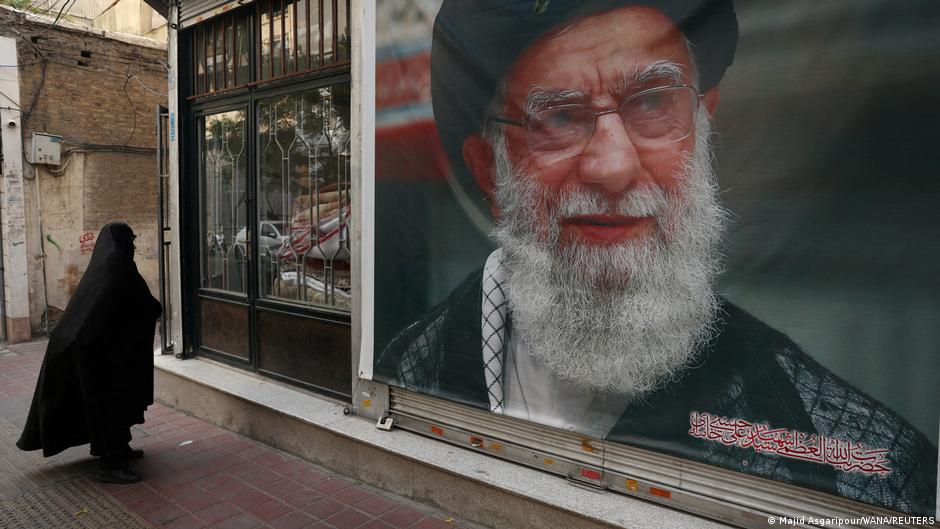
Iran's leadership is planning a si day funeral for Ayatollah Ali Khamenei starting July 4, in what officials say will be the largest gathering in Tehran's history — and a demonstration of strength at home and abroad. Acting Tehran Mayor Alireza Zakani said the ceremonies for the former supreme leader Ayatollah Ali Khamenei would be "the largest assembly in the history of the capital," according to Iranian media. Khamenei, who for 37 years held ultimate authority in all key state matters, was killed at the age of 86 in missile strikes on his residential and working compound in central Tehran. The attacks occurred on February 28, the first day of the war, when the United States and Israel launched strikes on Iran. Several members of his family, including his daughter and two grandchildren, were also reportedly killed. Satellite images show significant destruction at the site, but it remains unclear whether bodies have been recovered and in what condition. The funeral, originally planned for early March, was delayed due to the conflict. It is now scheduled to start on July 4. Iranian authorities only announced the ceremonies after a fragile ceasefire between Washington and Tehran came into effect. According to the head of the organizing committee, Ali-Akbar Purdjamschidian, the si day event is intended to "strengthen national cohesion and unity" across political, social and religious groups.
Whether this aim can be achieved remains uncertain. Is US-Iran deal already on the verge of collapse? To view this video please enable JavaScript, and consider upgrading to a web browser that supports HTML5 video Nationwide mobilization In the country of around 93 million people, authorities are now mobilizing supporters for the ceremonies. Starting on Saturday, three official days of mourning are scheduled in Tehran. During that time, the capital will be effectively shut down, with businesses closed and work suspended. Extensive preparations have been made to accommodate visitors from across the country. Khamenei is to be buried on July 9 in the northeastern city of Mashhad, his birthplace. A day earlier, a funeral procession is expected to pass through Iraq, including the holy cities of Najaf and Karbala — a move widely seen as a signal of Iran's regional influence. Legacy under scrutiny "Unlike Ayatollah Ruhollah Khomeini, who ruled for a decade after the 1979 revolution, Khamenei led the country for 37 years with pronounced micromanagement, intervening in almost all areas of governance," said Mehrzad Boroujerdi, a professor of political science at the Missouri University of Science and Technology. During his tenure, tensions with the outside world intensified, while corruption, economic mismanagement and sanctions linked to the nuclear dispute increased pressure on the country. Public dissatisfaction grew steadily, culminating in repeated waves of unrest.
 The BriefWire