'Passport Travel' Pass: What US Supreme Court Birthright Citizenship Ruling Means For Future Of 'Birth Tourism'
'Passport Travel' Pass: What US Supreme Court Birthright Citizenship Ruling Means For Future Of 'Birth Tourism' Written By, Last Updated: June 30, 2026, 20:53 IST
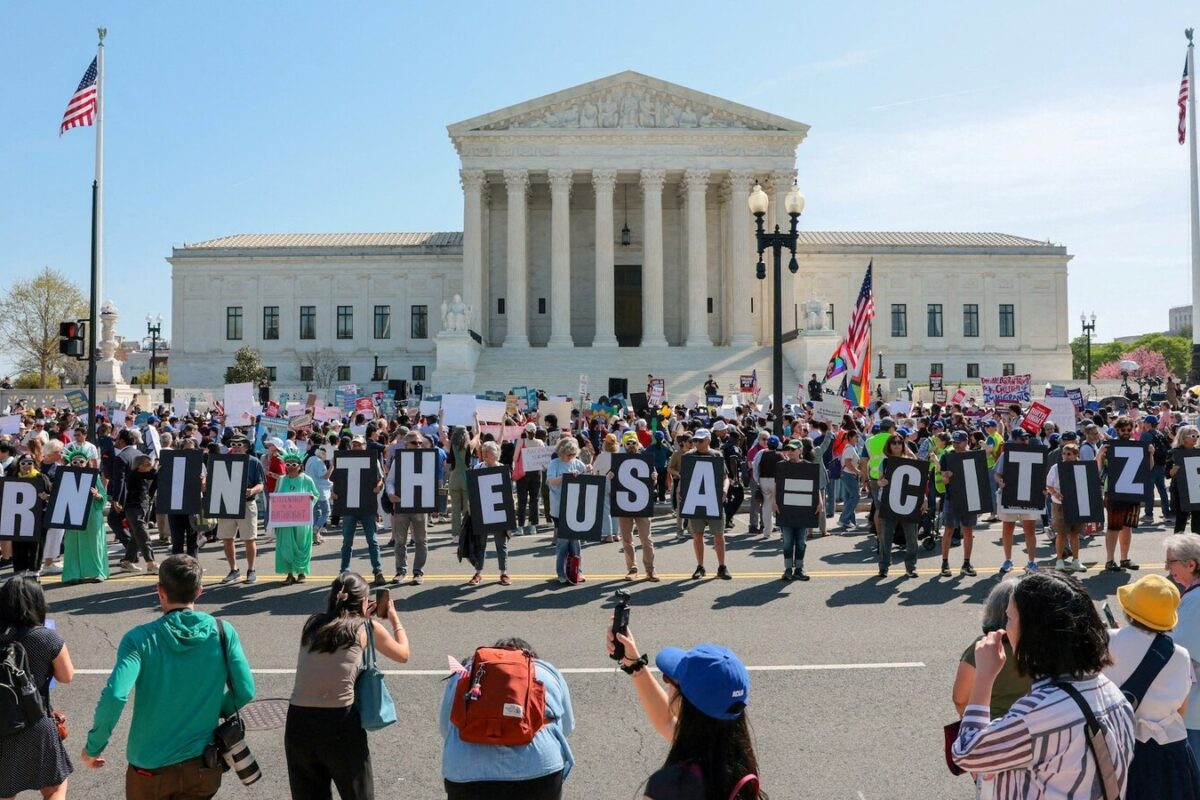
'Passport Travel' Pass: What US Supreme Court Birthright Citizenship Ruling Means For Future Of 'Birth Tourism' Written By, Last Updated: June 30, 2026, 20:53 IST Birth tourism describes the legal and highly organised commercial practice where pregnant foreign nationals travel to a country explicitly to give birth on its territory For the operators and patrons of this industry, the Supreme Court's intervention changes absolutely nothing on the ground, ensuring that their business model remains entirely intact. File image/AP The United States Supreme Court has delivered a definitive blow to the administration’s immigration agenda by striking down an executive order that sought to eliminate automatic birthright citizenship for children born on American soil to temporary or undocumented foreign nationals. In a highly anticipated 6-3 decision in the landmark case Trump v Barbara, the apex court ruled that the presidential directive, signed on the first day of his second term, directly violated the clear text of the Fourteenth Amendment. While the ruling stands as a major constitutional check on executive overreach, its most profound real-world impact will be felt across the multi-million-dollar global industry known as birth tourism, which was the central target of the administration’s defeated policy.
Dismantling the Legal Attack on Passport Travel The contested executive order aimed to stop federal agencies from issuing Social Security numbers and US passports to newborns unless at least one parent was an American citizen or a lawful permanent resident. Government attorneys argued before the bench that the original framers of the 1868 Citizenship Clause never intended to grant automatic constitutional protections to the children of transient visitors or foreign tourists. Writing for the majority, Chief Justice John Roberts completely dismissed this argument, characterising it as a “dramatically revisionist view" of established American jurisprudence. Chief Justice Roberts emphasised that restrictive qualifiers such as “lawful" or “temporary" are entirely absent from the constitutional text because a parent’s immigration status is irrelevant to the unconditional rights granted to an infant by the soil. The majority opinion, backed by a crossover vote from conservative Justice Amy Coney Barrett alongside the court’s liberal bloc, successfully preserved a 150-year-old legal framework that underpins global travel planning for thousands of expectant mothers. Preserving the Status Quo for the Birth Tourism Industry Birth tourism describes the legal and highly organised commercial practice where pregnant foreign nationals travel to a country explicitly to give birth on its territory.
 The BriefWire